Domain nail-artists.de kaufen?
Wir ziehen mit dem Projekt
nail-artists.de um.
Sind Sie am Kauf der Domain
nail-artists.de interessiert?
domain@kv-gmbh.de · 0541-91531010
Domain nail-artists.de kaufen?
¿Alguno de ellos es alguien?
Sí, al menos uno de ellos es alguien. **
¿Cómo puedo presentar a alguien?
Puedes presentar a alguien diciendo su nombre y mencionando algo relevante sobre ellos, como su ocupación o relación contigo. Por ejemplo, "Te presento a Juan, mi compañero de trabajo" o "Esta es María, una amiga de la infancia". También puedes agregar algún detalle interesante sobre la persona para iniciar una conversación. **

Ähnliche Suchbegriffe für Alguien-te-sigue
Top-Angebote
Produkte zum Begriff Alguien-te-sigue:
-
No te veré morirNo te veré morir , Una emocionante novela sobre la fuerza del amor y sus espejismos.Durante su juventud, Gabriel Aristu y Adriana Zuber protagonizaron una apasionada historia de amor que parecía destinada a durar para siempre. El futuro, sin embargo, tenía otros planes para ellos. Separados durante cincuenta años por un océano de incomunicación, ella atrapada en la España de la dictadura, él viviendo el éxito profesional en Estados Unidos, vuelven a encontrarse en el ocaso de sus días. Miradas, caricias, deseos acallados y viejos reproches dejarán paso entonces a la constatación de que la nostalgia de aquel primer amor lo es también de la persona que una vez fuimos.á No te veré morir es una novela sobre el poder de la memoria y del olvido, la lealtad y la traición, los estragos del tiempo y la obstinación del amor y sus espejismos. La conmovedora historia de una pasión frustrada por la vida y un hermoso retrato de la vejez escritos con una delicadeza extrema.á Tras aquel 'magistral acto de fe en la escritura como depósito de memoria' (Domingo Ródenas de Moya, Babelia) que supuso Volver a dónde, Antonio Muñoz Molina vuelve al territorio de la ficción con una novela soberbia marcada por la musicalidad de una prosa que recuerda al mejor Thomas Bernhard. , > , Erscheinungsjahr: 202309, Produktform: Kartoniert, Autoren: Muñoz Molina, Antonio, Seitenzahl/Blattzahl: 238, Themenüberschrift: JUVENILE NONFICTION / Language Arts / Composition & Creative Writing, Fachschema: Spanische Bücher~Spanische Belletristik / Roman, Erzählung, Warengruppe: HC/Belletristik/Romane/Erzählungen, UNSPSC: 49019900, Warenverzeichnis für die Außenhandelsstatistik: 49019900, Länge: 227, Breite: 132, Höhe: 18, Gewicht: 326, Produktform: Klappenbroschur, Genre: Importe,29,36 €*Versand: 0,00 €Sichere Weiterleitung zum Anbieter
-
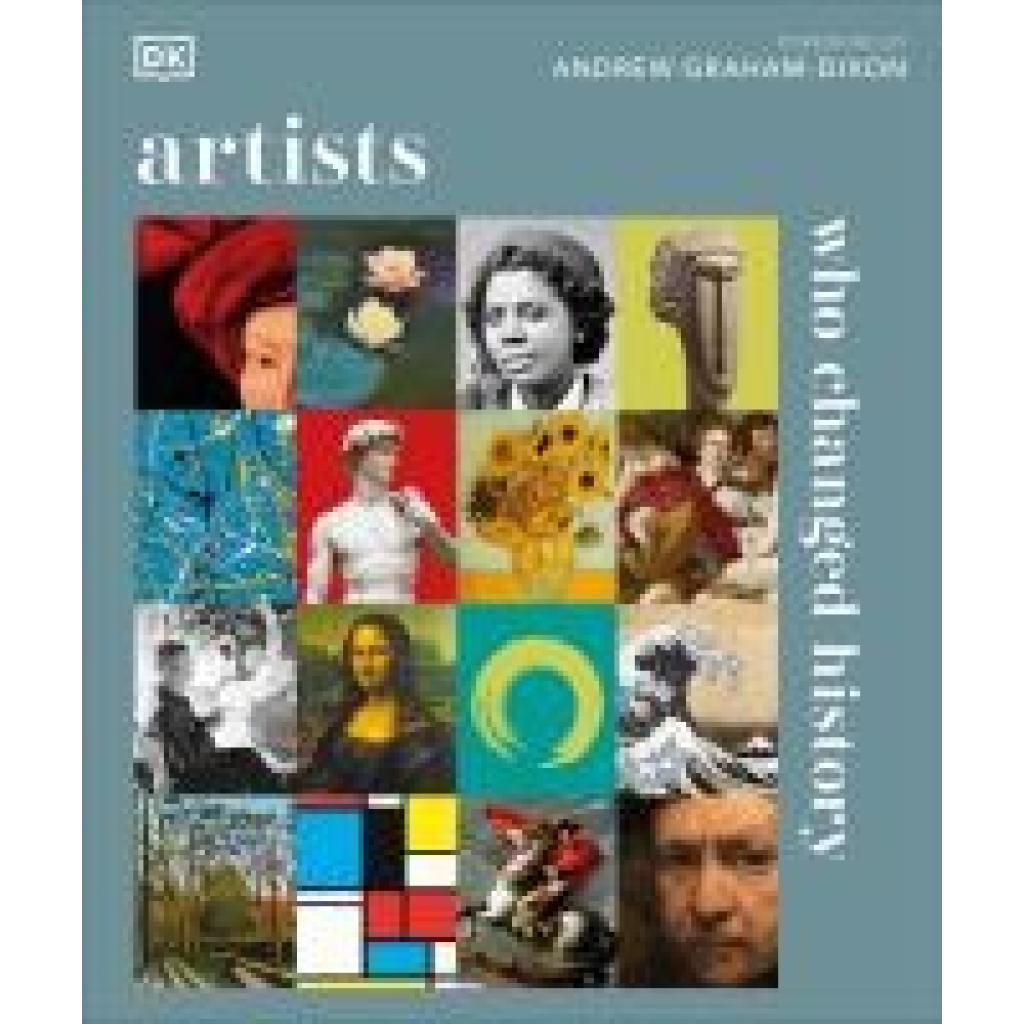
Artists Who Changed HistoryArtists Who Changed History , This visual celebration of the world's most celebrated thinkers tells the fascinating stories of their lives and pioneering ideas. Artists Who Changed History places well-known artists in their historical and cultural context, showing you how they came to influence Art as we know it today. This illustrated guide is ideal for those interested in art, sculptures and the history of art or who would like to broaden their general understanding of art and the lives of artists. Inside this book on artists, you'll find: -An overview of the lives and works of around 80 of the world's most influential artists - Middle Ages to the present day -Eight pages of brand-new content with 12 new entries, including Judith Leyster and Frank Bowling -Lavishly illustrated portraits of each artist alongside photographs of their homes and studios, original sketches, notebooks, letters In this Art guide, each artist is introduced with a realistic portrait and biographical entries that trace the friendships, loves, and rivalries that inspired and influenced them. Entries explore each individual's key ideas and working methods and set their ideas in context, conveying a powerful sense of the place and the period of history in which they lived. Artists Who Changed History provides revealing insights into what drove each individual to develop new ways of understanding the world. , > , Erscheinungsjahr: 20240502, Produktform: Leinen, Titel der Reihe: DK History Changers##, Seitenzahl/Blattzahl: 368, Themenüberschrift: BIOGRAPHY & AUTOBIOGRAPHY / Artists, Architects, Photographers, Keyword: Art; famous artists; artist; artists; famous painters; modern artists; artists' biographies; lives of the artists; caravaggio; van gogh; rembrandt; renaissance art; da vinci; giotto; gustav klimt; great artists; books on artists; art bookart booksbooks about artbooks about artistsbooks about famous artistshistory of art bookshistory of artists book, Fachschema: Englische Bücher / Kunst, Architektur, Fotografie~Künstler - Künstlerin~Kunst / Einführung~Kunstgeschichte~Fotograf - Fotografin~Architekt - Baumeister~Architektur / Architekt~Bauberuf / Architekt, Fachkategorie: Kunstgeschichte~einzelne Künstler, Künstlermonografien~Kunst: allgemeine Themen~einzelne Fotografen~Einzelne Architekten und Architekturbüros, Warengruppe: HC/Kunstgeschichte, UNSPSC: 49019900, Warenverzeichnis für die Außenhandelsstatistik: 49019900, Länge: 287, Breite: 242, Höhe: 29, Gewicht: 1880, Produktform: Gebunden, Genre: Importe,26,20 €*Versand: 0,00 €Sichere Weiterleitung zum Anbieter



-
Was bedeutet "te quiero pero no te amo"?
"Te quiero pero no te amo" bedeutet auf Deutsch "Ich mag dich, aber ich liebe dich nicht". Es drückt aus, dass man Gefühle für die Person hat, aber nicht die tiefe Liebe empfindet, die für eine Beziehung notwendig wäre. Es kann bedeuten, dass man die Person schätzt und gerne Zeit mit ihr verbringt, aber keine romantischen Gefühle hat. **
-
Wie wird "algo", "alguien" und "alguno" im Spanischen verwendet?
"Algo" wird im Spanischen verwendet, um "etwas" oder "ein bisschen" auszudrücken. Zum Beispiel: "Quiero algo de comida" (Ich möchte etwas zu essen). "Alguien" bedeutet "jemand" und wird verwendet, um auf eine nicht spezifizierte Person zu verweisen. Zum Beispiel: "Alguien me llamó por teléfono" (Jemand hat mich angerufen). "Alguno" kann sowohl "irgendein" als auch "einige" bedeuten und wird verwendet, um auf eine unbestimmte Menge oder Anzahl von Dingen oder Personen zu verweisen. Zum Beispiel: "Tengo algunos libros" (Ich habe einige Bücher). **
-
Was ist der Unterschied zwischen "te amo" und "te quiero"?
"Te amo" und "te quiero" sind beides Ausdrücke der Liebe auf Spanisch, aber sie haben unterschiedliche Bedeutungen und Intensitäten. "Te amo" bedeutet "Ich liebe dich" und wird normalerweise für eine tiefere, romantische Liebe verwendet. "Te quiero" bedeutet "Ich mag dich" oder "Ich habe dich gern" und wird oft für eine liebevolle Zuneigung zu Freunden, Familienmitgliedern oder Partnern verwendet, ohne unbedingt romantisch zu sein. **
-
¿Qué te gusta mucho?
Me gusta mucho leer libros y pasar tiempo al aire libre. También disfruto mucho de la música y de viajar a nuevos lugares. **


Französisch: "Te oder toi?"
Die Frage "Te oder toi?" bezieht sich auf die Anredeform im Französischen. "Te" ist die informelle Form, die man unter Freunden oder Gleichaltrigen verwendet, während "toi" die formelle Form ist, die man bei älteren Personen oder in förmlichen Situationen verwendet. **
¿Te gusta el español?
Sí, me gusta el español. Es un idioma hermoso y me encanta poder comunicarme en él. Además, aprender español me ha permitido conocer más sobre la cultura hispana y disfrutar de su música, literatura y cine. **
Top-Angebote
Produkte zum Begriff Alguien-te-sigue:
-
No te veré morirNo te veré morir , Una emocionante novela sobre la fuerza del amor y sus espejismos.Durante su juventud, Gabriel Aristu y Adriana Zuber protagonizaron una apasionada historia de amor que parecía destinada a durar para siempre. El futuro, sin embargo, tenía otros planes para ellos. Separados durante cincuenta años por un océano de incomunicación, ella atrapada en la España de la dictadura, él viviendo el éxito profesional en Estados Unidos, vuelven a encontrarse en el ocaso de sus días. Miradas, caricias, deseos acallados y viejos reproches dejarán paso entonces a la constatación de que la nostalgia de aquel primer amor lo es también de la persona que una vez fuimos.á No te veré morir es una novela sobre el poder de la memoria y del olvido, la lealtad y la traición, los estragos del tiempo y la obstinación del amor y sus espejismos. La conmovedora historia de una pasión frustrada por la vida y un hermoso retrato de la vejez escritos con una delicadeza extrema.á Tras aquel 'magistral acto de fe en la escritura como depósito de memoria' (Domingo Ródenas de Moya, Babelia) que supuso Volver a dónde, Antonio Muñoz Molina vuelve al territorio de la ficción con una novela soberbia marcada por la musicalidad de una prosa que recuerda al mejor Thomas Bernhard. , > , Erscheinungsjahr: 202309, Produktform: Kartoniert, Autoren: Muñoz Molina, Antonio, Seitenzahl/Blattzahl: 238, Themenüberschrift: JUVENILE NONFICTION / Language Arts / Composition & Creative Writing, Fachschema: Spanische Bücher~Spanische Belletristik / Roman, Erzählung, Warengruppe: HC/Belletristik/Romane/Erzählungen, UNSPSC: 49019900, Warenverzeichnis für die Außenhandelsstatistik: 49019900, Länge: 227, Breite: 132, Höhe: 18, Gewicht: 326, Produktform: Klappenbroschur, Genre: Importe,29,36 €*Versand: 0,00 €Sichere Weiterleitung zum Anbieter
-
¿Alguno de ellos es alguien?
Sí, al menos uno de ellos es alguien. **
-
¿Cómo puedo presentar a alguien?
Puedes presentar a alguien diciendo su nombre y mencionando algo relevante sobre ellos, como su ocupación o relación contigo. Por ejemplo, "Te presento a Juan, mi compañero de trabajo" o "Esta es María, una amiga de la infancia". También puedes agregar algún detalle interesante sobre la persona para iniciar una conversación. **
-
Was bedeutet "te quiero pero no te amo"?
"Te quiero pero no te amo" bedeutet auf Deutsch "Ich mag dich, aber ich liebe dich nicht". Es drückt aus, dass man Gefühle für die Person hat, aber nicht die tiefe Liebe empfindet, die für eine Beziehung notwendig wäre. Es kann bedeuten, dass man die Person schätzt und gerne Zeit mit ihr verbringt, aber keine romantischen Gefühle hat. **
-
Wie wird "algo", "alguien" und "alguno" im Spanischen verwendet?
"Algo" wird im Spanischen verwendet, um "etwas" oder "ein bisschen" auszudrücken. Zum Beispiel: "Quiero algo de comida" (Ich möchte etwas zu essen). "Alguien" bedeutet "jemand" und wird verwendet, um auf eine nicht spezifizierte Person zu verweisen. Zum Beispiel: "Alguien me llamó por teléfono" (Jemand hat mich angerufen). "Alguno" kann sowohl "irgendein" als auch "einige" bedeuten und wird verwendet, um auf eine unbestimmte Menge oder Anzahl von Dingen oder Personen zu verweisen. Zum Beispiel: "Tengo algunos libros" (Ich habe einige Bücher). **
Ähnliche Suchbegriffe für Alguien-te-sigue
-
Artists Who Changed HistoryArtists Who Changed History , This visual celebration of the world's most celebrated thinkers tells the fascinating stories of their lives and pioneering ideas. Artists Who Changed History places well-known artists in their historical and cultural context, showing you how they came to influence Art as we know it today. This illustrated guide is ideal for those interested in art, sculptures and the history of art or who would like to broaden their general understanding of art and the lives of artists. Inside this book on artists, you'll find: -An overview of the lives and works of around 80 of the world's most influential artists - Middle Ages to the present day -Eight pages of brand-new content with 12 new entries, including Judith Leyster and Frank Bowling -Lavishly illustrated portraits of each artist alongside photographs of their homes and studios, original sketches, notebooks, letters In this Art guide, each artist is introduced with a realistic portrait and biographical entries that trace the friendships, loves, and rivalries that inspired and influenced them. Entries explore each individual's key ideas and working methods and set their ideas in context, conveying a powerful sense of the place and the period of history in which they lived. Artists Who Changed History provides revealing insights into what drove each individual to develop new ways of understanding the world. , > , Erscheinungsjahr: 20240502, Produktform: Leinen, Titel der Reihe: DK History Changers##, Seitenzahl/Blattzahl: 368, Themenüberschrift: BIOGRAPHY & AUTOBIOGRAPHY / Artists, Architects, Photographers, Keyword: Art; famous artists; artist; artists; famous painters; modern artists; artists' biographies; lives of the artists; caravaggio; van gogh; rembrandt; renaissance art; da vinci; giotto; gustav klimt; great artists; books on artists; art bookart booksbooks about artbooks about artistsbooks about famous artistshistory of art bookshistory of artists book, Fachschema: Englische Bücher / Kunst, Architektur, Fotografie~Künstler - Künstlerin~Kunst / Einführung~Kunstgeschichte~Fotograf - Fotografin~Architekt - Baumeister~Architektur / Architekt~Bauberuf / Architekt, Fachkategorie: Kunstgeschichte~einzelne Künstler, Künstlermonografien~Kunst: allgemeine Themen~einzelne Fotografen~Einzelne Architekten und Architekturbüros, Warengruppe: HC/Kunstgeschichte, UNSPSC: 49019900, Warenverzeichnis für die Außenhandelsstatistik: 49019900, Länge: 287, Breite: 242, Höhe: 29, Gewicht: 1880, Produktform: Gebunden, Genre: Importe,26,20 €*Versand: 0,00 €Sichere Weiterleitung zum Anbieter
-
Was ist der Unterschied zwischen "te amo" und "te quiero"?
"Te amo" und "te quiero" sind beides Ausdrücke der Liebe auf Spanisch, aber sie haben unterschiedliche Bedeutungen und Intensitäten. "Te amo" bedeutet "Ich liebe dich" und wird normalerweise für eine tiefere, romantische Liebe verwendet. "Te quiero" bedeutet "Ich mag dich" oder "Ich habe dich gern" und wird oft für eine liebevolle Zuneigung zu Freunden, Familienmitgliedern oder Partnern verwendet, ohne unbedingt romantisch zu sein. **
-
¿Qué te gusta mucho?
Me gusta mucho leer libros y pasar tiempo al aire libre. También disfruto mucho de la música y de viajar a nuevos lugares. **
-
Französisch: "Te oder toi?"
Die Frage "Te oder toi?" bezieht sich auf die Anredeform im Französischen. "Te" ist die informelle Form, die man unter Freunden oder Gleichaltrigen verwendet, während "toi" die formelle Form ist, die man bei älteren Personen oder in förmlichen Situationen verwendet. **
-
¿Te gusta el español?
Sí, me gusta el español. Es un idioma hermoso y me encanta poder comunicarme en él. Además, aprender español me ha permitido conocer más sobre la cultura hispana y disfrutar de su música, literatura y cine. **
* Alle Preise verstehen sich inklusive der gesetzlichen Mehrwertsteuer und ggf. zuzüglich Versandkosten. Die Angebotsinformationen basieren auf den Angaben des jeweiligen Shops und werden über automatisierte Prozesse aktualisiert. Eine Aktualisierung in Echtzeit findet nicht statt, so dass es im Einzelfall zu Abweichungen kommen kann. ** Hinweis: Teile dieses Inhalts wurden von KI erstellt.